
Reduce Your
Energy and
Heating Costs
- Solar Grants Available – Check if Your Home Qualifies!
- Protect Your Home From Rising Bills By Installing Solar Panels
- Get Free Solar Evaluation and Quote!
- Flexible Financing Available!
I’d like a free quote from a trusted local company with a strong reputation and high-quality solar panel installation.
By clicking ‘Get a quote’, I consent to a local solar panel installer contacting me by email, phone, or text message with details or offers related to my request and to verify my details. My data will be handled in line with the privacy policy.
Lower Energy Bills

Environmental Impact

Increased Property Value
Government Incentives

Return on your Rays
Reliable Energy Source
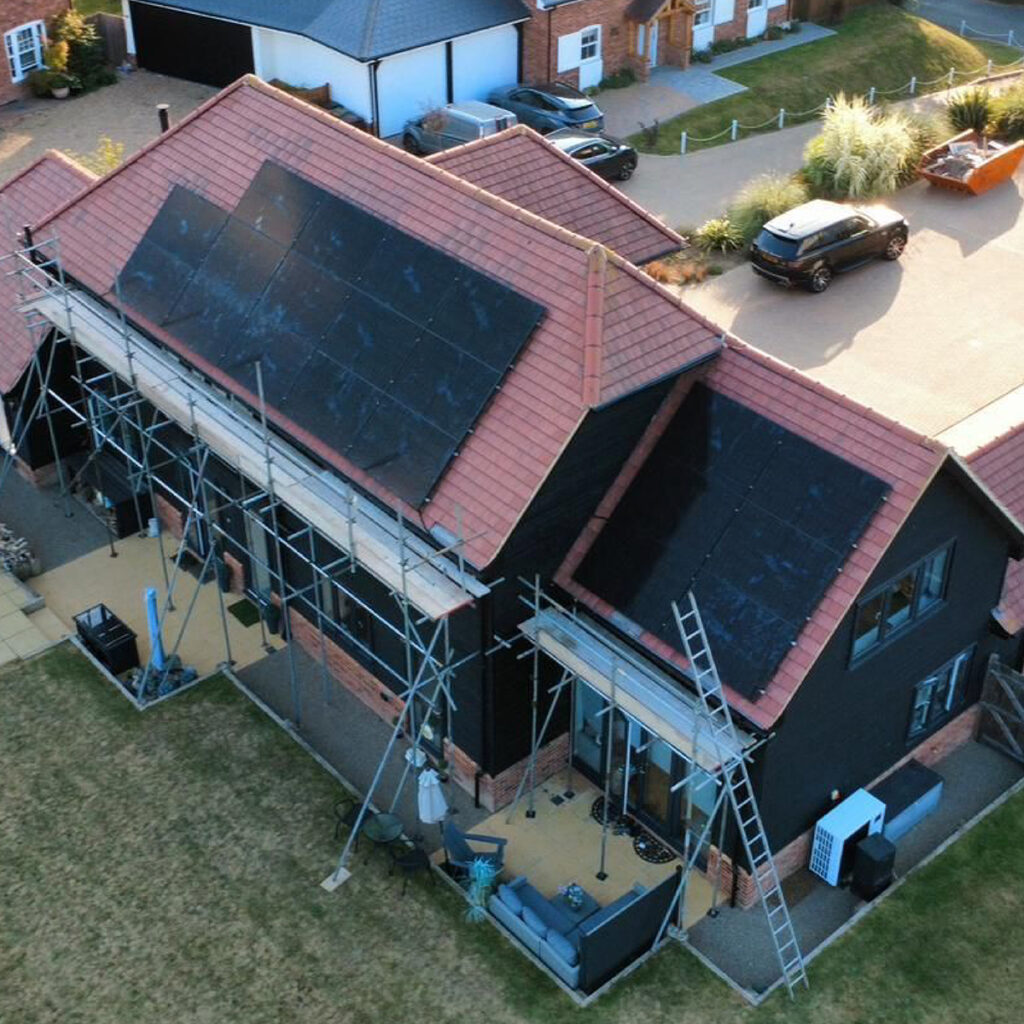
We want to give everybody the opportunity to benefit from solar energy.
- The average UK household uses between 8 and 10 kWh of electricity per day.
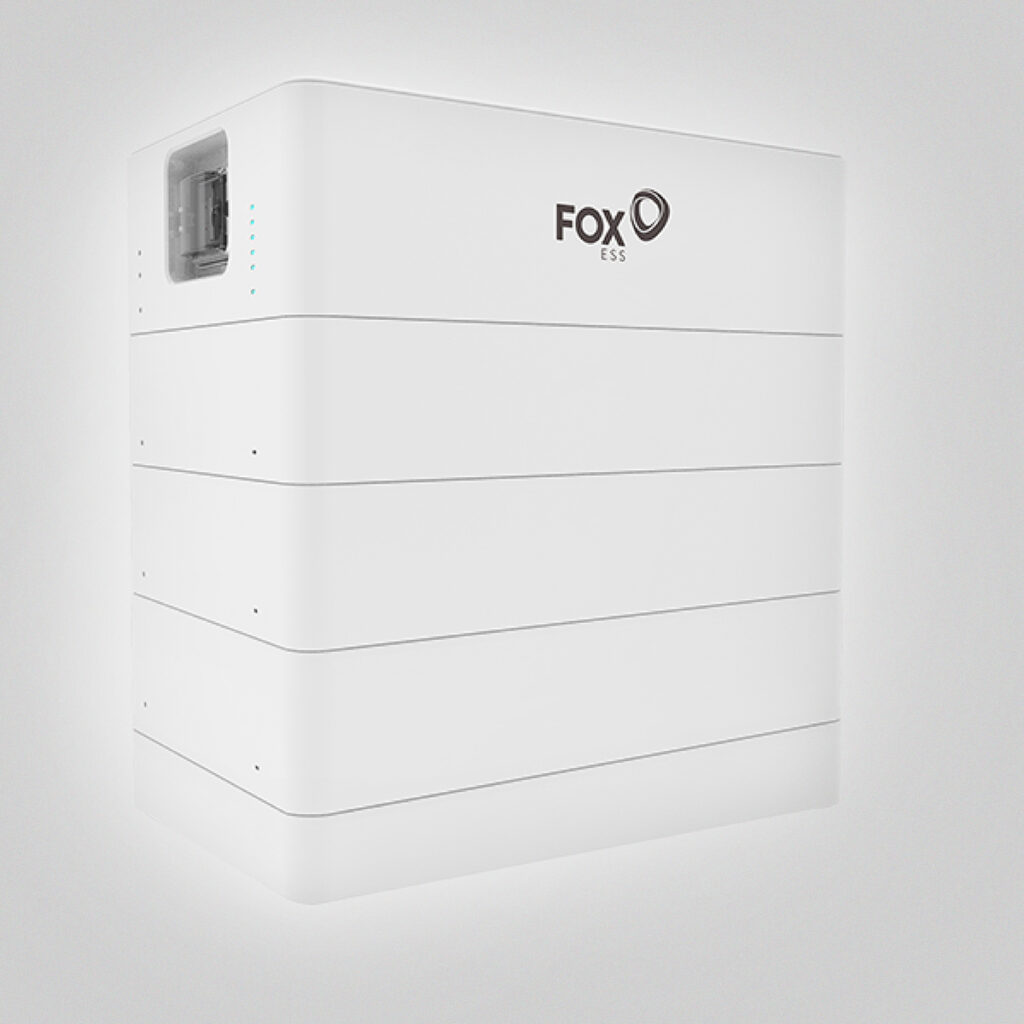
- With a solar battery system, you can store surplus energy and sell excess electricity back to the grid.
- Depending on your usage, you can save significant amounts on your electricity bills!
Enjoy Complete Control
You own the installation and have full access to the app and real-time system monitoring.
Track performance anytime, anywhere for total peace of mind.
15 Years of Experience
We’ve built relationships with the best installers in the industry.
Expert Recommendations
We know who delivers quality installations and exceptional service.
Competitive Advantage
We unite top companies to ensure you get the best value.
Best Price
Just honest advice and the top local installers.
Frequently Asked Questions
What is a solar PV system?
A solar PV system stands for a solar photovoltaic system, also known as a solar power system.
How do solar panels work?
Solar panels generate electricity by converting sunlight into power using specially designed cells made from layers of semiconducting material, usually silicon. When sunlight strikes these photovoltaic (PV) cells, it generates an electrical charge, creating a direct current (DC). An inverter then converts this DC electricity to alternating current (AC), which is suitable for running household appliances. Importantly, solar panels can still produce energy even on cloudy days – they do not require direct, full sunlight to function.
What’s an inverter?
An inverter is a key part of a solar panel system. It converts the direct current (DC) electricity produced by solar panels into alternating current (AC) electricity, which is compatible with household appliances and the national grid. Inverters are usually mounted on a wall, often in the loft, and allow the solar-generated energy to be used safely and efficiently throughout the home.
How Home Size Affects Daily Electricity Use?
The amount of electricity a household uses each day depends largely on the size of the home. Larger homes generally have more rooms, which means more lighting, more appliances and additional devices, leading to higher energy consumption. As a result, bigger properties typically use more electricity than smaller ones. Flat of 1-bedroom house, 1-2 people: 4.9 kWh per day 4+ bedroom house, 4-5 people: 11.3 kWh per day
Which appliances use the most electricity?
In a typical UK home, certain appliances are responsible for the majority of electricity use. According to Energy Saving Trust washing machines, dishwashers and tumble dryers use around 14%, fridge and freezer use around 13%, TVs, laptops and game consoles use around 6%.
Is it possible to sell electricity back to the grid?
Yes, households can earn money by exporting surplus renewable electricity back to the grid, thanks to government initiatives like the Smart Export Guarantee (SEG). These programmes are designed to promote the adoption of renewable energy, such as solar power, across the UK.
To participate in selling electricity, the renewable energy system must satisfy certain eligibility criteria set out by the scheme.
What are the benefits of selling excess electricity to the grid?
Exporting surplus electricity to the grid allows households to earn extra income or receive bill credits. Improves the overall resilience and stability of the electricity grid, especially during periods of high demand. Plays an active role in building a greener, more reliable energy future for their community.
What roofs are not suitable for solar panels?
Not every roof is a good fit for solar panel installation. A professional assessment is always recommended to determine suitability. Here are some common scenarios where a roof may not be ideal for solar power: north-facing roofs, roofs with limited space, heavily shaded roofs, unsuitable roof materials like hatched, glass or asbestos roofs.
Can I charge my car from solar/ battery system?
Yes, you can charge an electric vehicle (EV) from a solar/battery system by installing a compatible home solar PV system and solar-compatible EV charger, which allows you to use your self-generated solar power for your car. A battery storage system can store solar energy for use when the sun isn’t shining, enabling overnight charging.
Is planning permission needed for solar panels?
In most cases, installing solar panels on a typical house does not require planning permission, as it is usually considered permitted development. However, if the property is a listed building, located in a conservation area, or within a national park, special rules may apply. In these situations, it is important to check with the local planning authority to confirm any specific requirements.
Does a solar panel system need maintenance?
Solar panels require very little upkeep. There’s no need for yearly servicing, but it’s helpful to occasionally rinse off any accumulated dirt or dust, especially if rain isn’t enough to keep them clean. It’s also a good idea to monitor surrounding trees and vegetation to ensure they don’t cast shade over the panels or drop debris onto them.
How long does it take to install solar panels?
After making an initial enquiry, we will arrange a date for a free survey at your property. The installation itself is typically scheduled within four to six weeks. The actual fitting of the solar panels usually takes just one to three days to complete, depending on the system size and complexity.
Can I add more panels to an existing system?
In most cases, it is possible to add more panels to an existing solar setup. However, the feasibility depends on available roof space, the capacity of your system’s inverter and wiring, and whether your household’s energy needs have changed. It’s always best to have a qualified installer assess your current system to ensure any additions are compatible and safe, maintain existing warranties, and identify the most effective solution for your home.
Can I buy batteries only for my existing panels?
Yes, you can usually add batteries to your existing solar panels. An installer will need to check compatibility with your current system to ensure proper integration and performance.
©2025 Quote Assured Cookie Policy | Privacy Policy